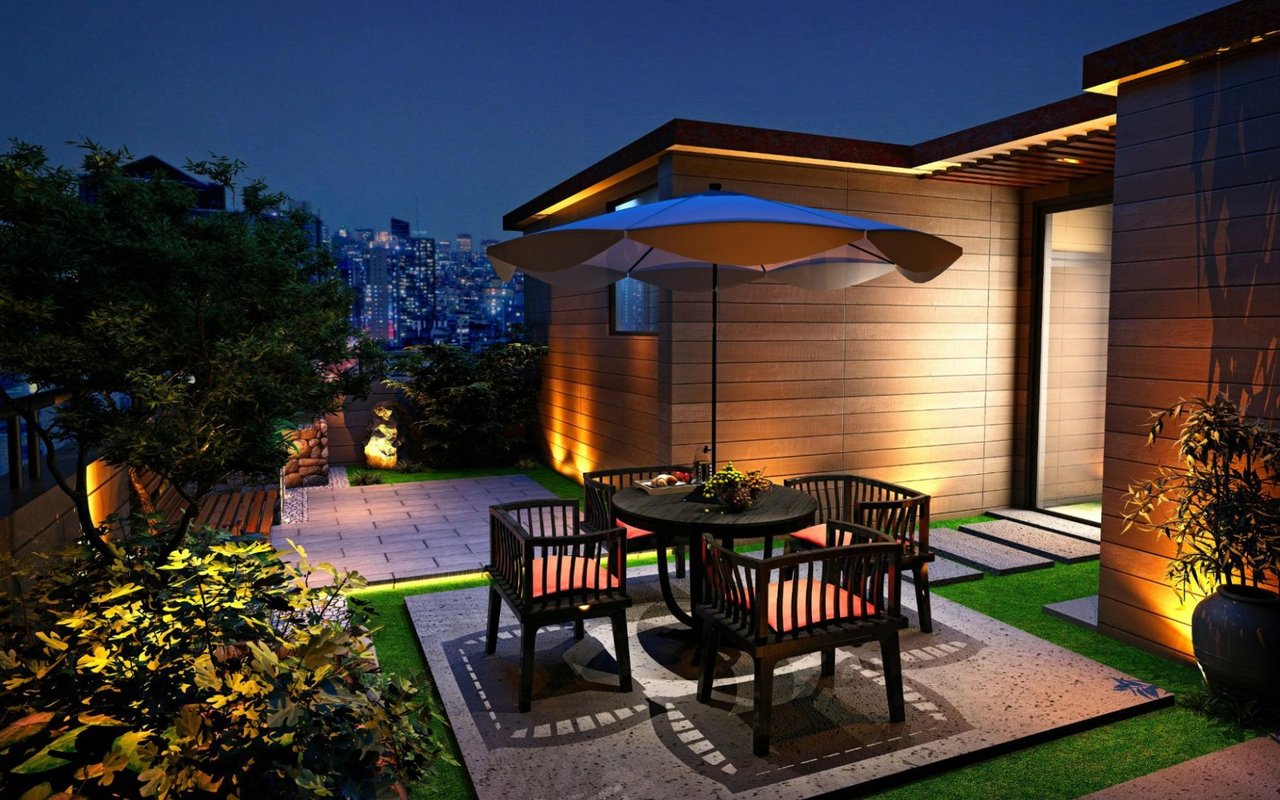
Upgrading a home is an excellent way to improve its functionality, aesthetic appeal, and overall market value. Whether preparing to sell or simply enhancing daily living, making strategic improvements can make a significant impact. Here are 14 ways to upgrade a home in Victoria, TX.
1. Modernizing the Kitchen
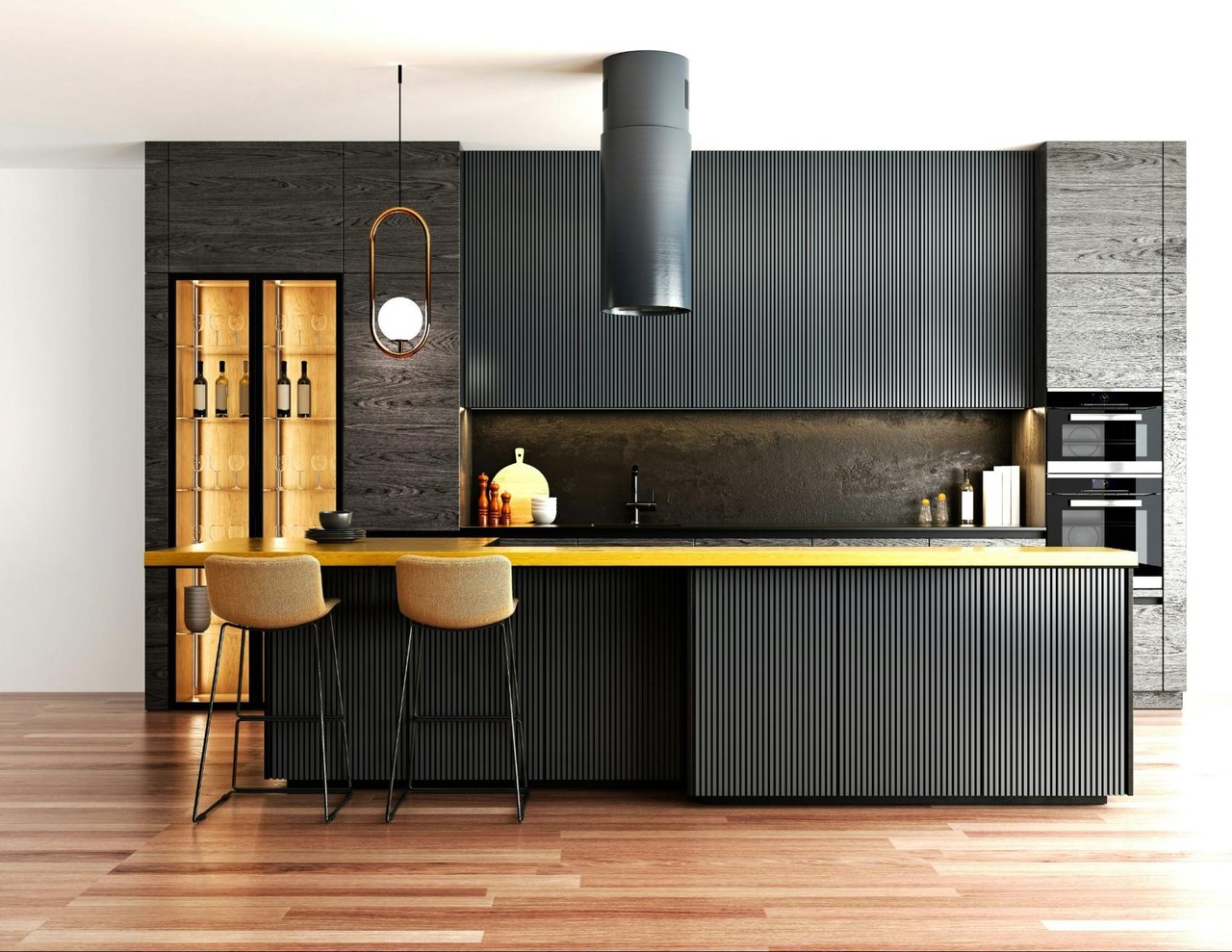
The kitchen is often the heart of a home, and updating this space can significantly boost its value. In Texas, the smartest strategy for 2026 is "refresh, don't replace." Minor kitchen remodels in the West South Central region are currently returning 96% to 113% of their cost — far outperforming major overhauls, which average only 50% to 60% ROI. That means updating cabinetry finishes, replacing countertops, and swapping hardware can yield a near dollar-for-dollar return without the overhead of a full gut renovation.
For countertops, quartz remains the top choice among Texas homeowners for its durability and low maintenance. In 2026, the palette has shifted toward warm neutrals — taupe, sage, and mushroom — replacing the stark whites that dominated the previous decade. Quartzite and marble with bold, high-contrast veining in blue, green, or gold are also gaining traction for homeowners seeking more personality. Leathered or honed matte finishes are replacing high-gloss surfaces, as they hide fingerprints far better in a busy household.
On the cabinet side, the chunky Shaker style is giving way to "Slim Shaker" — a narrower rail profile that feels more modern while staying timeless. Warm wood tones like light oak, walnut, and maple are making a strong comeback, often mixed with a painted island for a two-tone look. If painting, muted olive greens, terracotta, and deep navy are the standout colors for 2026. Minimalist hardware — integrated finger pulls or slim unlacquered brass — keeps the lines clean and current.
2. Refreshing the Bathrooms
Bathrooms are another key area where upgrades can make a measurable difference in both livability and resale value. In the Texas market, buyers are currently drawn to spa-like primary bathrooms and highly functional guest baths. A well-executed midrange remodel is recouping 65% to 75% of its cost, while a simple cosmetic refresh — new fixtures, updated vanity, fresh tile — can return 70% to 85% because it quickly removes the dated look that turns buyers away.
Common upgrade costs in Texas for 2026 include prefab vanities ranging from $800 to $2,500, custom vanities from $3,000 to $6,000, and quartz countertops at $75 to $150 per square foot installed. For fixtures, modern faucets run $150 to $600 each, while a rainfall showerhead system costs $300 to $1,200. Tiled walk-in showers typically range from $6,000 to $12,000 for the full scope including waterproofing and tile work. Keep in mind that labor currently accounts for 35% to 50% of total bathroom project costs across major Texas markets.
The highest-ROI bathroom upgrade in Texas right now is the tub-to-shower conversion. Removing an unused garden tub and replacing it with a large walk-in shower with a bench is the single most-requested bathroom modification in the state. Pairing that with frameless glass — which replaces a framed door or curtain — adds roughly $2,000 to $3,000 in perceived value for approximately a $1,500 investment. Layered lighting, specifically replacing a single vanity bar with recessed lights and a backlit mirror, is another low-cost way to make a midrange bath feel significantly more upscale.
3. Boosting Curb Appeal
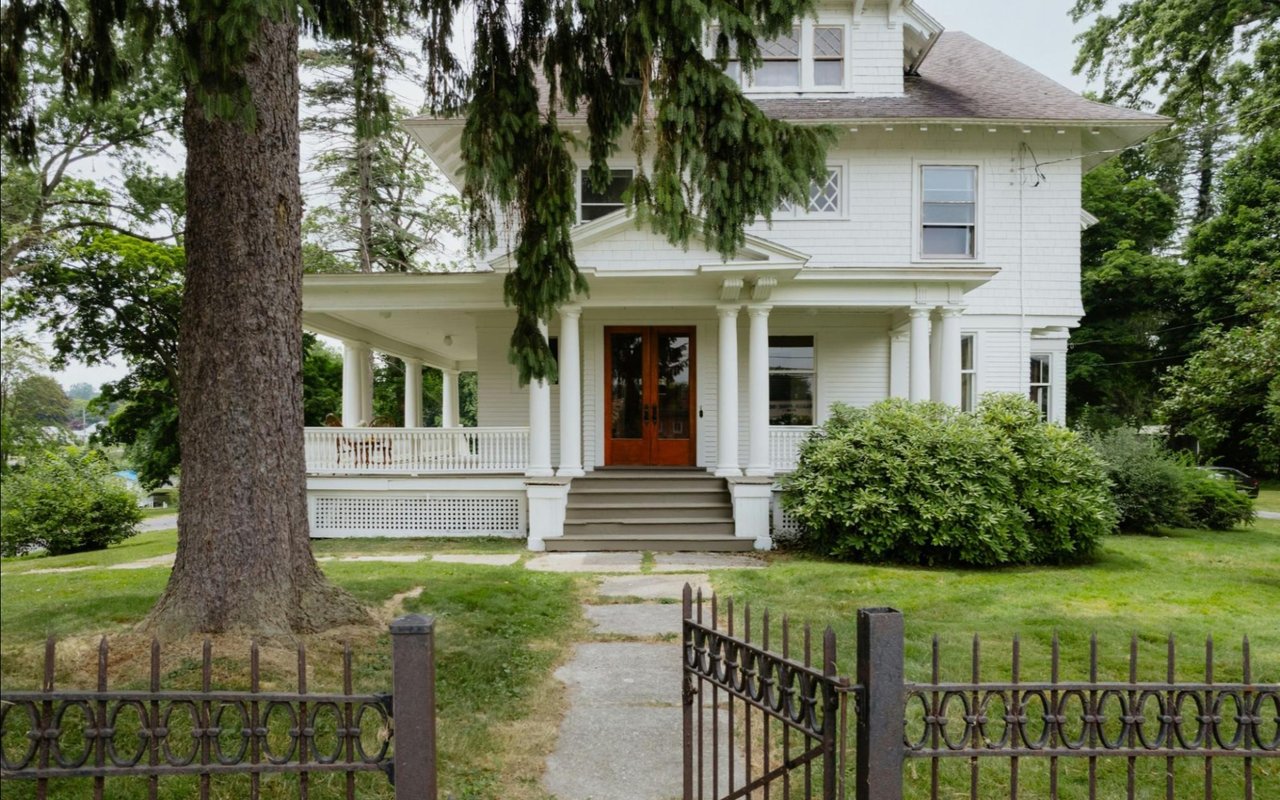
First impressions matter, and in 2026, curb appeal upgrades are outperforming interior remodels by a wide margin in Texas. The key trend is "replacement over renovation" — swapping out old functional components for high-quality new ones yields better returns than adding new structures. A garage door replacement, for example, is currently returning 194% to 268% nationally, often paying for itself twice over. Manufactured stone veneer is returning 153% to 208%, while a steel entry door comes in at 188% to 216%, and exterior paint returns 100% or more.
For front door replacement specifically, a steel entry door is the ROI leader in the Texas market, costing $1,200 to $2,500 installed. It provides superior insulation against the South Texas heat and dramatically changes the home's appearance at a relatively low price point. Fiberglass doors, which can mimic wood without swelling or cracking in high humidity, run $2,000 to $4,500 installed and are preferred when aesthetics are the priority. Solid wood or iron doors, while stunning, carry an ROI of only 40% to 60% given their high cost.
For maximum impact at minimum cost, three improvements consistently deliver outsized results in Texas suburban markets. Fresh dark mulch with crisp lawn edging — a roughly $500 investment — can add $5,000 to $10,000 in perceived value. Power washing the driveway, sidewalk, and siding can provide an almost instant return. And replacing dated builder-grade exterior lanterns with modern, oversized matte black or brushed brass fixtures creates an immediate upscale feel for $300 to $600.
4. Investing in Energy-Efficient Upgrades
Energy-efficient upgrades reduce utility costs and attract buyers who are increasingly conscious of monthly overhead. For Victoria homeowners, federal incentives and local utility programs make these upgrades significantly more accessible in 2026. Under the Inflation Reduction Act's Residential Clean Energy Credit, solar PV systems qualify for a 30% federal tax credit with no cap on the total amount. Energy-efficient windows qualify for 30% back under the Energy Efficient Home Improvement Credit, up to $600 per year — and some homeowners install windows in phases across two calendar years to claim the credit twice.
Locally, AEP Texas offers incentives through its SMART Source program, including rebates for Energy Star heat pumps and ceiling insulation — both critical for managing Victoria's humidity. Victoria Electric Cooperative's Energy Sense program provides rebates for high-efficiency heat pumps and water heaters, though funding is typically first-come, first-served at the start of each year. Low-to-moderate-income households may also qualify for the HOMES and HEAR rebate programs administered by Texas SECO, which offer point-of-sale rebates for insulation, air sealing, and heat pumps.
Victoria's climate makes these investments particularly worthwhile. With over 200 sunny days per year, solar systems in South Texas typically pay back their cost in 7 to 9 years, and many homeowners see $150 to $250 in monthly savings. For windows, the most important spec in this region is the Solar Heat Gain Coefficient — models with an SHGC of 0.25 or lower block radiant heat from the sun while still allowing natural light in, eliminating the "hot zone" effect near west-facing windows during July. New energy-efficient windows can reduce cooling costs by 12% to 18% annually.
5. Enhancing Outdoor Living Spaces
With Victoria's warm climate, outdoor living spaces are highly desirable — but the region's intense heat and Gulf Coast humidity are aggressive toward building materials, making material selection just as important as design. A covered patio or deck sees a significantly better ROI than an uncovered one; buyers in South Texas place less value on outdoor spaces that can't realistically be used in direct sun, which pushes covered structure ROI from roughly 60% to over 80%.
For ground-level options, standard concrete patios run $12 to $20 per square foot, while paver or stone patios cost $25 to $45. For raised decks, pressure-treated wood runs $25 to $40 per square foot but requires annual sealing in Victoria's moisture-dry cycles or it will check and warp within three to five years. Composite or PVC decking at $45 to $65 per square foot is the local favorite — high-quality capped composites like Trex or TimberTech are virtually impervious to the mold and rot that thrives in Victoria's 80%+ morning humidity.
Two other climate-specific factors are worth noting. First, dark-colored composite decks can reach surface temperatures of 150°F on a Victoria summer day — choosing lighter "sand" or "light grey" tones or cool-decking technology solves this. Second, South Texas is a high-activity zone for Formosan termites, so avoiding wood-to-ground contact entirely — using concrete footings that raise framing at least six inches off the soil — is essential. For the best value overall, stamped concrete handles the heat well and requires far less maintenance than wood. For a luxury finish, Ipe (Brazilian Walnut) or PVC decking are the most "Victoria-proof" materials available.
6. Upgrading Flooring
Replacing outdated flooring can completely transform a home's interior, and in Texas, the right material choice is shaped as much by the climate as by aesthetics. Most Texas homes sit on concrete slabs, which means solid hardwood carries real risk — moisture from the slab can cause warping and buckling. For Victoria specifically, the combination of concrete foundations and high coastal humidity has made Luxury Vinyl Plank (LVP) the dominant choice in 2026 because it is 100% waterproof and won't expand or contract as the AC cycles through a South Texas summer.
Cost-wise, LVP runs $4 to $9 per square foot installed, making a 1,000-square-foot project $4,000 to $9,000. Engineered hardwood, which handles slabs better than solid wood, runs $8 to $18 per square foot. Porcelain tile comes in at $10 to $25 per square foot and remains the expected standard in Texas kitchens and bathrooms. For resale ROI, LVP is currently the strongest performer — returning 80% to 100% or more because it costs significantly less than wood but looks nearly identical to buyers. Consistent flooring across all main living areas can increase home value by 3% to 5%.
In terms of 2026 trends, the grey era is over. Warm oaks, honey tones, and light walnut have replaced cooler tones as the preferred palette. Wide planks — 7 to 9 inches — are the current standard for an upscale appearance regardless of material, and ultra-matte or satin finishes are preferred over high-gloss because they hide footprints and dust far better in daily use.
7. Adding Smart Home Technology
Smart home features have moved from a luxury extra to a buyer expectation in the Texas market. In 2026, buyers are prioritizing three categories: climate control, security, and energy management. Adaptive thermostats like Ecobee or Nest — particularly AI-driven models that learn a home's thermal profile — top the list given Texas energy costs. Smart ceiling fans that integrate with thermostats to circulate air automatically when a room is occupied are a high-value, low-visibility upgrade that buyers appreciate once they experience it.
On the security side, Matter-compatible smart locks that allow digital re-keying for guests and contractors are the 2026 standard. Solar-powered perimeter cameras are especially popular in Texas because they avoid the need to run wiring through brick or stone exteriors. For energy management, smart electric panels that show exactly which appliances are drawing power are gaining traction, and a pre-installed Level 2 EV charger in the garage is an increasingly significant selling point as electric vehicle adoption grows across the state.
Cost-wise, a basic setup covering a hub, smart thermostat, video doorbell, and two smart plugs runs $500 to $1,200 DIY and often returns 100% to 150% — a $1,000 package can add $3,000 to $5,000 in perceived value and help a home sell faster. A mid-range setup adding smart locks, cameras, and smart lighting runs $2,500 to $5,000. For Victoria specifically, smart humidity sensors in bathrooms are a high-value, low-cost addition at $50 to $100 each — they automatically trigger exhaust fans when steam is detected, preventing the mold and mildew that is a top concern for any Coastal Bend buyer.
8. Adding Functional Storage Solutions
Maximizing storage can make a home feel more organized and spacious, and in the 2026 Texas market, custom closet systems have shifted from a luxury extra to a high-priority feature among buyers. A well-organized primary closet doesn't just add functionality — it makes a room feel larger, creates an emotional "dressing room" premium, and helps homes sell 15% to 20% faster in competitive markets. Estimated ROI on custom closet upgrades sits at 50% to 75%, with the speed-of-sale benefit often being the more meaningful return.
Cost varies by scope. A reach-in closet with a professional custom system runs $1,200 to $3,000, a medium walk-in costs $3,500 to $8,000, and a large master suite build-out can reach $8,000 to $15,000 or more. DIY modular kits from brands like IKEA PAX or ClosetMaid bring those numbers down significantly. For 2026, the most popular add-ons in Texas are integrated LED lighting ($500 to $1,500), soft-close jewelry drawers, and pull-out hampers. In the kitchen and pantry, "appliance garage" storage — hidden compartments for air fryers and mixers — is currently the most-requested storage feature in Texas remodels.
One Victoria-specific note: given the Coastal Bend humidity, it's worth ensuring custom systems are wall-hung or include a recessed toe-kick. This prevents moisture from being trapped against baseboards and makes routine cleaning far easier. Garage slatwall and cabinet systems, which typically run $3,000 to $6,000, are also seeing strong demand as homeowners look to clear floor space for trucks and EVs.
9. Painting for a Fresh Look
A fresh coat of paint can instantly refresh any space, but in Victoria, exterior paint is also a critical protective barrier against 100°F+ temperatures and Gulf Coast humidity. For 2026, the industry standard has shifted toward high-elasticity, advanced-biocide formulas that can withstand the expansion and contraction of materials in the heat and resist the green algae and mildew common in the Coastal Bend.
For exterior paint, three products stand out for South Texas conditions. Sherwin-Williams Emerald Rain Refresh is widely considered the gold standard — it's self-cleaning (dirt and salt spray wash away with rain) and offers exceptional UV resistance that prevents the chalking effect seen on older Texas homes. Benjamin Moore Aura Exterior uses Color Lock technology to keep colors true far longer than standard paint in a region where the sun bleaches surfaces within a few years. For a more budget-conscious option, Behr Marquee Exterior provides excellent one-coat coverage and strong mildew resistance. Regardless of brand, look for 100% acrylic latex (which stays flexible in high humidity), a Light Reflective Value of 50 or higher to reduce solar heat absorption, and a satin finish that holds up to power washing.
For interiors, the 2026 trend has moved decisively away from grey toward warm, organic neutrals. Sherwin-Williams Natural Linen (SW 9109) — a soft beige-greige hybrid — is one of the most popular whole-house choices because it shifts beautifully with the changing Texas sunlight throughout the day. Benjamin Moore Swiss Coffee (OC-45) provides a creamy, warm white that feels bright without feeling cold. For resale, the most effective 2026 combination is a warm off-white exterior like SW Alabaster with a dark contrasting trim like SW Iron Ore, and Natural Linen or BM Revere Pewter on interior walls with crisp white on all trim and baseboards.
10. Updating Lighting Fixtures
Lighting is one of the highest-leverage upgrades available in 2026 because the perceived value it adds far outweighs the actual material cost. In Texas, buyers look for three distinct layers: ambient lighting (recessed cans), task lighting (under-cabinet strips, vanity lights), and accent lighting (pendants, art lighting). Homes that deliver all three feel finished and upscale; homes with a single overhead fixture in each room feel builder-grade regardless of other upgrades.
For cost, a basic fixture swap in a kitchen runs $400 to $800 DIY or $1,500 to $4,500 with new wiring and recessed cans professionally installed. Recessed LED cans run $125 to $300 per fixture installed, with a standard 12x12 room requiring four to six. Under-cabinet LED strips — a high-ROI kitchen addition — cost $300 to $800 for a standard kitchen. Adding smart dimmers at $50 to $150 per zone allows for lighting scenes, which gives a home far more emotional appeal during showings.
From an energy standpoint, LEDs use 75% to 90% less energy than incandescent bulbs, and the average Texas household saves roughly $225 per year by switching entirely. In Victoria specifically, there's a secondary benefit: incandescent bulbs waste 90% of their energy as heat, and a home with 30 active old-school bulbs can raise room temperatures by one to two degrees — directly increasing the AC load. Switching to cool-to-the-touch LEDs can reduce summer cooling costs by an additional 3% to 5%. For the best resale appeal, use 3000K (warm white) bulbs throughout — they mimic natural daylight without feeling yellow or harsh.
11. Increasing Property Value with Home Additions
For homeowners looking to expand their living space, additions can add both functionality and value — but in Victoria, it pays to understand which additions deliver the best return before committing to the investment. A covered outdoor patio or deck remains the highest-ROI addition in South Texas at 85% or more, largely because of the climate-driven demand for usable outdoor space. A master suite addition returns around 65%, though the cost ($75,000 to $150,000) is substantial. A converted home office is more nuanced — it returns roughly 50%, and if the conversion removes a closet and formally eliminates a bedroom count, it can actually decrease appraised value.
For home office builds specifically, the 2026 buyer in Victoria expects three things: soundproofing (quiet-rock drywall or solid-core doors), a dedicated electrical circuit to handle multiple monitors and equipment without tripping breakers, and hardwired Cat6e or Cat8 ethernet ports. Any space that can be listed as a "4th Bedroom / Office" — meaning it retains a closet — preserves the home's appraisal value while still appealing to remote workers.
All structural additions in Victoria require permits through the City of Victoria Development Center. Permit fees follow a valuation-based schedule — a $25,000 project typically carries a base permit fee of $350 to $450 plus trade fees for electrical and plumbing at $75 to $100 each. Accessory buildings over 120 square feet must also meet specific wind-load requirements given Victoria's proximity to the Gulf. Homestead-registered owners can often pull their own permits for certain scopes; otherwise, a licensed contractor is required.
12. Considering Professional Landscaping
Landscaping provides one of the highest returns of any home improvement project, primarily because of its outsized impact on curb appeal. In the Victoria market, routine lawn care — fertilizer and weed control — currently returns 217% to 260%, making it the single best ROI investment on this entire list. Standard professional landscaping returns 100% to 105%, while a native xeriscaping upgrade returns 85% to 100%. Research from the NAR shows that upgrading a home's landscape from average to excellent can increase overall home value by 10% to 12%.
For plant selection in Victoria's USDA Zone 9a/9b climate, drought-tolerant natives are the strongest choice both for low maintenance and buyer appeal. Texas Sage (Cenizo) — known as the "Barometer Bush" for blooming after rain — provides excellent silver-grey contrast and is virtually un-killable in local conditions. Esperanza (Yellow Bells), specifically the Gold Star variety, thrives in 100°F heat and blooms continuously from spring through first frost. Texas Lantana handles drought and salt air while attracting butterflies, and Gulf Coast Muhly grass creates a dramatic pink cloud effect in fall that photographs exceptionally well for listings. For shaded areas beneath large Live Oaks — common throughout Victoria neighborhoods — Turk's Cap is one of the rare drought-tolerant plants that actually thrives without direct sun.
One underappreciated aspect of Victoria landscaping ROI is tree placement. A mature Live Oak, Cedar Elm, or Texas Redbud positioned on the western side of the home can reduce indoor cooling costs by up to 20% by blocking afternoon sun. For homeowners preparing to sell, the most cost-effective improvement is focusing on the front 15 feet: crisp bed edging, three inches of dark mulch, and three well-placed Texas Sage shrubs can add approximately $5,000 in perceived value for under $500 in materials.
13. Modernizing the Home's Exterior
Exterior upgrades beyond landscaping and paint — specifically roofing and siding — directly impact a buyer's confidence in a home's structural integrity, insurance costs, and long-term maintenance. In Victoria's Coastal Bend location, these upgrades carry added weight because of the region's exposure to hail, high winds, and humidity.
For roofing, a standard 2,500 square foot home runs $11,000 to $14,000 for basic asphalt shingles, $14,500 to $21,000 for architectural shingles, and $17,000 to $26,000 for Class 4 impact-resistant shingles. Metal roofing starts at $28,000 and offers a 50+ year lifespan. ROI on a roof replacement averages 55% to 70%, but the real value is that a roof is a pass/fail item for most buyers and lenders. In Victoria specifically, every roofing quote should confirm inclusion of Windstorm Certification (WPI-8) — without it, a home may be ineligible for Texas Windstorm Insurance Association (TWIA) coverage, which can derail a sale entirely. Class 4 impact-resistant shingles also carry an additional financial benefit: they can reduce homeowners insurance premiums by 15% to 25% annually, a "baked-in" saving that makes a home more attractive to buyers comparing carrying costs.
For siding, fiber cement — specifically James Hardie — is the gold standard in Texas for 2026. It is fire-resistant, termite-proof, and regularly returns over 80% of its cost. Vinyl siding offers a slightly higher ROI percentage (around 85%) due to lower upfront costs of $12,000 to $18,000, though it is less common in upscale Victoria neighborhoods. One cost-saving tip worth noting: most Texas roofing quotes include removal of one layer of old shingles, but older homes in Victoria may have multiple layers — budgeting an additional $1,500 to $3,000 for that scenario is prudent. Adding a radiant barrier underlayment for $500 to $1,000 extra can reduce attic temperatures by 20 to 30 degrees, providing an immediate return through lower cooling bills.
14. Enhancing Indoor Air Quality
Improving indoor air quality is both a health priority and an increasingly marketable feature for Victoria homes. The region faces a unique triple threat: Cedar Fever season from December through February, when winds carry mountain cedar pollen from Central Texas; year-round mold risk driven by average humidity levels of 70% to 90% that can accumulate in ductwork; and PM2.5 particulate matter from agricultural burning and coastal plain dust that contributes to moderate AQI days throughout the year. Standard spring allergens — oak, elm, and Bermuda grass — add a fourth seasonal layer.
For filtration, the recommended standard for Victoria homes in 2026 is a MERV 13 filter, which effectively captures virus carriers, smoke, and fine pollens at $35 to $60 per filter. Upgrading to a whole-house 4-inch media filter — which replaces the standard 1-inch slot and only needs changing every 6 to 12 months — costs $500 to $1,000 installed and provides consistently better filtration with less maintenance. For in-duct systems, UV light installations ($800 to $3,000) kill mold and bacteria living on AC coils, addressing the "dirty sock" smell that is a common complaint in Coastal Bend homes. Whole-house dehumidifiers ($2,000 to $4,500) are particularly impactful in Victoria: lowering indoor humidity to around 50% allows occupants to feel comfortable at 78°F, reducing cooling costs by 10% to 15%.
One important and often overlooked starting point: before investing in an air purifier system, check duct integrity. In older South Texas homes, leaky ducts frequently pull in unfiltered humid air from the attic, negating even the most expensive filtration systems. Sealing and insulating the duct system first ensures that any air quality upgrades downstream actually perform as expected.
Work With a Local Real Estate Team
Upgrading a home in Victoria, TX, can provide numerous benefits, from increased comfort to higher resale value. Whether making targeted improvements or undertaking larger renovations, these upgrades can enhance both livability and market appeal in the Crossroads Area.
If you are interested in learning more about homes for sale in Victoria, TX, or need guidance on maximizing your home's potential, reach out to The Zaplac Group today. With over $320 million in sales volume since 2019, more than 1,000 completed transactions, and the No. 1 real estate team ranking in VAAR, Dawn and Jimmy Zaplac and their team bring the local expertise needed to help you make the right improvements for your specific goals — whether you are preparing to sell or investing in your forever home.