If you are thinking about buying coastal land in Calhoun County, you are not just picking a spot on a map. You are weighing lifestyle, access, long-term potential, and a very real set of coastal risks and rules. The good news is that when you understand how this market works, you can make a much more confident decision. Let’s dive in.
Why Calhoun County Gets Investor Attention
Calhoun County stands out because its land market is shaped by water, recreation, and limited coastal inventory. The county reports more than 560 miles of coastline, with Port Lavaca on Lavaca Bay, Seadrift on San Antonio Bay, Point Comfort on the east side of Lavaca Bay, and Port O’Connor offering access to the Gulf Intracoastal Waterway and the Gulf through the jetties.
That setting supports a different kind of land demand than you might see in a fast-growing suburban corridor. In Calhoun County, buyers are often drawn by fishing, duck hunting, birding, second-home use, and the appeal of owning a coastal parcel in a market where land is shaped by bays, marshes, and shoreline access.
The county also notes that population can double on some holiday weekends. For you as an investor, that matters because it points to seasonal demand, recreational use, and the long-term draw of owning property in a destination-oriented coastal area.
What Drives Lot Value Here
In many coastal markets, the value of a parcel comes down to more than just size. In Calhoun County, a lot’s appeal often depends on water access, bay views, road access, drainage, and whether the property is actually practical to build on.
Port Lavaca, for example, serves as the county’s service center and is within reach of Victoria, Corpus Christi, Houston, San Antonio, and Austin. That makes the area attractive for weekend users and second-home buyers, which can support demand for well-located lots even if the county does not follow a typical suburban growth pattern.
The county’s outdoor identity also plays a role. Calhoun County highlights more than 400 bird species and eight birding sites on the Texas Birding Trail, which reinforces the area’s draw for outdoor-minded buyers looking for fishing cabins, future homesites, or a long-term hold with lifestyle upside.
Land Types You Will Find in Calhoun County
Raw acreage
Raw acreage usually offers the most flexibility. If you want a long-term hold, a recreational tract, or room to study future options, this type of property can be appealing.
That said, raw land needs careful review. Calhoun CAD notes that some land may qualify for agricultural or wildlife valuation if it meets use and intensity standards, which can affect carrying costs. You should also pay close attention to public records, because the legal history of a tract can matter just as much as what you see on site.
Platted subdivision lots
Platted lots can be easier to evaluate because lot lines, easements, and subdivision documents are often already recorded. You may find these lots near Port Lavaca, Port O’Connor, and other bayside communities.
Still, a platted lot is not automatically build-ready. Calhoun County subdivision regulations apply when a tract is divided into two or more parts for sale, lease, or building development outside incorporated areas, so reviewing the recorded plat, restrictions, and approval history is an important part of your due diligence.
Waterfront and near-water lots
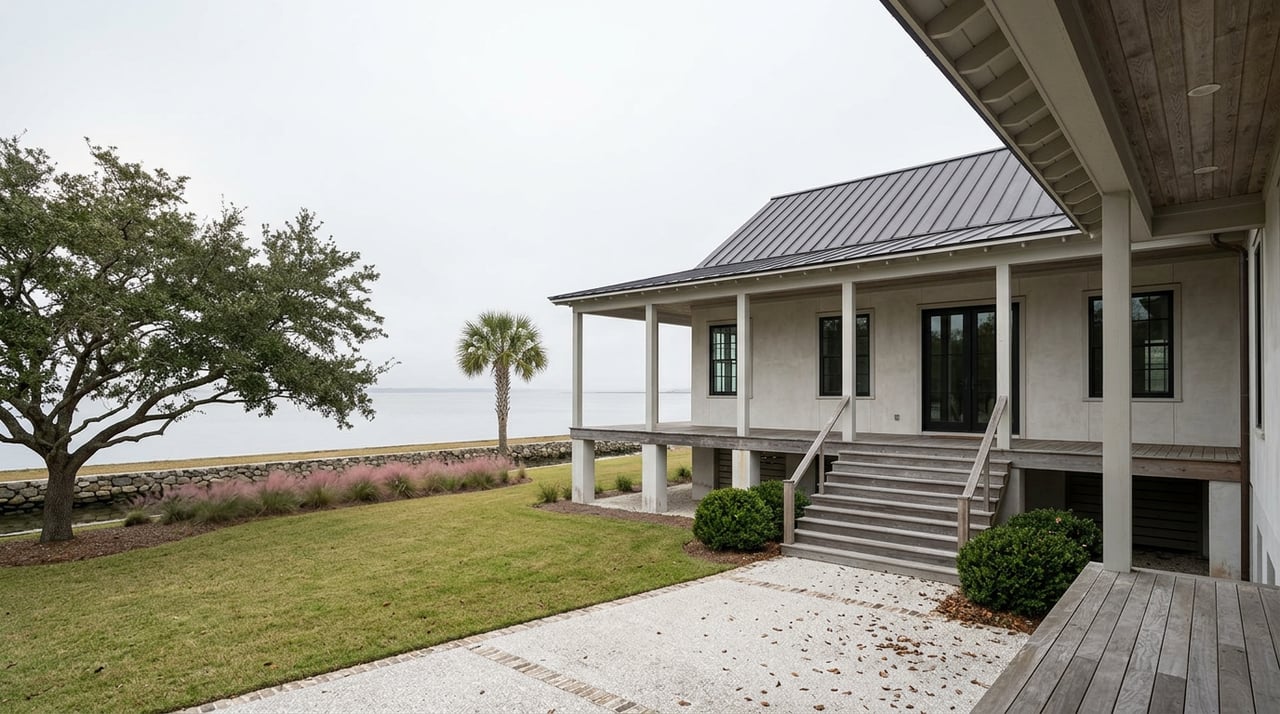
Waterfront and near-water lots often get the most attention because they offer the strongest lifestyle appeal. If your goal is bay views, fishing access, or a second-home setting, these parcels may be the most attractive.
They also tend to come with the greatest complexity. Floodplain issues, windstorm requirements, drainage concerns, and, in some open-Gulf areas, beach-access and dune-protection rules can all affect what you can do with the property and how much it may cost to improve.
City lots and unincorporated lots
A lot inside city limits can be very different from a similar lot outside them. In Port Lavaca, the city community profile lists zoning as no, but the city does require permits for many residential and non-residential projects through its development services process.
In unincorporated areas, county-level subdivision and floodplain rules become more important. That means your planning path may look very different depending on whether your parcel sits inside Port Lavaca or in an unincorporated location such as Port O’Connor.
The Biggest Due Diligence Questions
Start with flood and wind exposure
Coastal land investing starts with physical risk. Calhoun County’s flood damage prevention order states that flood hazard areas in the county are subject to periodic inundation, and the county provides floodplain development materials and related guidance through its floodplain administration resources.
Texas windstorm rules matter too. For coastal construction, the Texas Department of Insurance says properties in eligible coastal areas must meet certain building standards to qualify for TWIA windstorm insurance. If you are buying near the open Gulf, beach-access and dune-protection rules may also become part of the process.
Look closely at wetlands and marsh conditions
Not every coastal parcel is dry, stable upland. Much of Calhoun County’s coastal edge includes bays, marshes, and low-lying habitat, which can create practical limits on clearing, filling, drainage work, or shoreline improvements.
Texas Parks and Wildlife describes Gulf Coast wetlands as ecologically important habitat and notes that development pressure is one of the threats these areas face. For you, that means site conditions are not just a visual issue. They may affect feasibility, timelines, and project cost.
Confirm septic, water, drainage, and access
On raw or lightly improved land, utility questions can shape the entire deal. TCEQ says permits are required for on-site sewage facilities such as septic systems, although some single-family tracts may qualify for a limited 10-acre rule exemption if all conditions are met.
You should also verify drainage, legal access, and water service options early. Calhoun County’s minimum infrastructure standards for mobile-home communities emphasize adequate drainage, compliant wastewater service, and water supply, and the county requires permits for culverts or other structures in county rights-of-way.
Review the paper trail carefully
A parcel can look simple online and still carry important limitations. The Calhoun County Clerk states that its records library includes deeds, plats, and other documents showing property size, shape, location, legal description, and ownership history.
That paper trail can reveal easements, restrictions, access issues, and prior approvals that directly affect value and usability. Before you treat a lot as a future homesite or investment hold, make sure the records support that plan.
Understand Carrying Costs Before You Buy
A coastal lot’s purchase price is only part of the picture. Your annual carrying cost can vary quite a bit depending on where the property is located and whether any special district rates apply.
According to Calhoun CAD’s 2025 tax-rate schedule, Calhoun County is 0.6222 per $100, Port Lavaca is 0.8000, Seadrift is 0.7060, and Point Comfort is 0.9533. Some Port O’Connor parcels may also fall under separate improvement district or MUD rates of 0.4800 or 0.5200 depending on the area.
For investors, that means two lots with similar size and location can have different annual costs. If you are comparing properties, tax structure and district assessments should be part of your analysis from the start.
Holding Land Versus Building Now
For some buyers, the best move is to hold the land and preserve flexibility. That strategy can make sense if you want optionality, recreational use, or time to wait for future plans and market shifts.
Building can create a more usable asset and may broaden the future buyer pool, but it usually adds more approval layers. Depending on the parcel, you may need county floodplain review, TCEQ septic approval, windstorm certification, and city permits if the lot is in Port Lavaca.
There is no one-size-fits-all answer. The right path depends on your timeline, risk tolerance, carrying cost comfort, and whether you want immediate use or future upside.
A Smarter Way to Evaluate Coastal Lots
If you are serious about investing in Calhoun County land, it helps to think in layers instead of focusing only on price. Start with the property type, then move to flood exposure, access, utilities, tax structure, and record review.
A simple checklist can keep you grounded:
- Confirm whether the parcel is in a city or unincorporated area
- Review recorded plats, deeds, easements, and restrictions
- Check floodplain and drainage considerations
- Ask about septic and water feasibility
- Verify road access and any right-of-way permit needs
- Understand tax rates and any district assessments
- Decide whether your plan is to hold, build, or resell
In a market like Calhoun County, details matter. The best opportunities are often the ones that still make sense after you have looked closely at the real costs and the real limitations.
Why Local Guidance Matters
Coastal land is highly parcel-specific, and Calhoun County is not a market where broad assumptions work well. A waterfront lot, a platted subdivision parcel, and a piece of raw acreage may each require a very different strategy.
That is where local market knowledge can make a real difference. When you work with a team that understands South Texas land, coastal demand, and property-by-property differences, you are in a better position to spot opportunity, ask the right questions, and avoid surprises.
If you are exploring coastal land or lots in Calhoun County, The Zaplac Group can help you evaluate your options with local insight and a practical approach.
FAQs
What makes Calhoun County land different from inland investment land?
- Calhoun County land is shaped by coastal access, recreation demand, flood and wind exposure, marsh conditions, and parcel-specific rules that can affect buildability and carrying costs.
What should you check before buying a lot in Port O’Connor or Port Lavaca?
- You should review plats, deed restrictions, floodplain factors, road access, water and septic feasibility, tax rates, and whether the parcel falls inside city limits or an unincorporated area.
Are waterfront lots in Calhoun County always better investments?
- Not always. Waterfront and near-water lots may have stronger lifestyle appeal, but they can also bring added diligence related to floodplain limits, drainage, windstorm standards, and coastal protection rules.
Can raw acreage in Calhoun County have lower carrying costs?
- In some cases, yes. Calhoun CAD says some acreage may qualify for agricultural or wildlife valuation if it meets the district’s standards, which can change annual tax costs.
Is it better to build right away or hold coastal land for later?
- That depends on your goals. Holding can preserve flexibility, while building may increase usability, but it usually adds more approvals, costs, and planning steps.