20,043 people live in Rockport, where the median age is 49.7 and the average individual income is $43,259. Data provided by the U.S. Census Bureau.
Total Population
Median Age
Population Density Population Density This is the number of people per square mile in a neighborhood.
Average individual Income
Rockport is not the kind of beach town you find on postcards of the open Gulf. It's a bay town, and that difference shapes nearly everything about life here. The water is calmer, the fishing is better, the live oaks lean permanently inland from a century of southeast wind, and the pace moves at the speed of a flat boat idling out of a canal on a Saturday morning.
As the county seat of Aransas County, Rockport pairs small-town ease with a surprisingly deep cultural life. It's a working harbor, a nationally recognized art colony, a winter home for endangered Whooping Cranes, and one of the most sought-after second-home markets on the Texas coast. Buyers come here from Austin, San Antonio, Houston, and Dallas–Fort Worth for very different reasons, whether that's a canal home with a boat lift, a golf-course retirement property, or a quiet primary residence close to schools and work. This guide walks through what each part of Rockport offers and what you should know before you buy.
Rockport occupies the Live Oak Peninsula, a narrow landform on the Texas Gulf Coast pinched between two very different bodies of water. Understanding which bay a property faces is one of the first things we discuss with buyers, because it affects the view, the fishing, the boating, and the feel of daily life.
Aransas Bay lies to the east and fronts downtown Rockport, the harbor, and Rockport Beach. It's a large, saltier bay sheltered from the open Gulf by San José Island, and it serves as the area's main navigation corridor and prime water for redfish and speckled trout. Copano Bay sits to the west, fed by fresh water from the Mission and Aransas Rivers. It's shallower and less salty, known for oyster reefs, bird nesting islands, and protected, calm water.
The peninsula itself is the reason Rockport exists. Shielded from direct Gulf surf, it created natural harbor conditions that made early maritime development possible, and that same protection is why Rockport's shorelines are built around bays, canals, and harbors rather than crashing waves. Corpus Christi is roughly 30 miles south, putting a full-size city's shopping, medical care, and airport within easy reach.
Rockport was founded after the Civil War by the Coleman, Mathis, and Fulton families and incorporated in 1870. Its first boom came from cattle. Because live cattle couldn't easily be moved long distances, local packing plants processed them for hides, tallow, and packed beef, shipped out across Aransas Bay.
The arrival of the San Antonio and Aransas Pass Railway in 1888 turned Rockport into a true maritime port. Shipyards lined the waterfront, building wooden schooners, tugs, and eventually commercial shrimp boats. Through the early 20th century, shrimping, oystering, and fish processing drove the local economy, and that working-waterfront heritage is still visible in Fulton Harbor today.
By the 1940s, artists were arriving, drawn by the coastal light, the windswept oaks, and the character of the harbor. The Rockport Art Association formed in 1956, and the town's reputation as an art colony grew from there. Today, Rockport-Fulton holds designation as a Texas Cultural District and is known equally for fine art, eco-tourism, and sport fishing. In a sense, the town's history is still on display: working boats, galleries, and birders' binoculars all share the same waterfront.
Locals often say "Rockport-Fulton" in one breath, and for day-to-day living the two communities blend together along Aransas Bay. Legally, though, they are separate. Rockport is the incorporated city (1870) and serves as the commercial and cultural hub, home to the Heritage District, Rockport Beach, and most of the galleries. Fulton, incorporated as a town in 1978, sits just north and has a quieter, more maritime character built around its shrimping harbor and seafood restaurants.
Fulton's landmark is the Fulton Mansion State Historic Site, an 1877 Second Empire–style home built by George Ware Fulton that remains one of the most striking historic structures on the Texas coast. For buyers, the Rockport-versus-Fulton distinction matters mostly in terms of atmosphere and municipal jurisdiction. Rockport tends to feel busier and more walkable; Fulton feels like a harbor village.
Greater Rockport is a collection of pockets, and each one is built around a different priority: the water, the golf course, or nature.
Key Allegro is Rockport's premier waterfront address. Developed in the early 1960s by Carl Krueger Jr., it's a man-made island extending into Little Bay where nearly every lot sits on a deep-water canal. Owners can step off the back deck, onto the boat, and out into Aransas Bay without ever visiting a public ramp. Homes here skew toward high-end coastal architecture, and the neighborhood carries a resort feel that makes it a favorite for second-home buyers.
Rockport Country Club offers the opposite experience. Set inland among native live oaks, it's a residential golf community built around an 18-hole championship course, with club amenities and tennis courts. Full-time residents and retirees who want golf-course views and custom homes, without constant salt spray, tend to gravitate here.
Lamar Peninsula lies roughly 10 miles north of downtown, across the Copano Bay Causeway. It's rural, historic, and nature-centric. Goose Island State Park is here, along with the famous "Big Tree," a coastal live oak estimated at more than 1,000 years old. The St. Charles Bay shoreline provides winter habitat for Whooping Cranes. Buyers who want acreage, privacy, and wildlife over walkability will find Lamar compelling.
Downtown and the Heritage District suit buyers who want to walk to galleries, boutiques, coastal dining, and Rockport Harbor. Fulton Beach Road, a scenic three-mile corridor along Aransas Bay connecting Rockport and Fulton, is lined with historic homes, leaning live oaks, bayfront piers, and seafood spots. It's one of the most photographed drives on the peninsula and a coveted address for bay-view properties.
If there's one property type that defines Rockport, it's the canal home. These properties are designed around a boat-centric lifestyle, and the best ones treat the dock as an extension of the living space.
Typical canal properties include a private bulkhead, boat slip, lift, and fish-cleaning station right off the back of the home. In developments such as Key Allegro and The Islands of Rockport, deep-water canals lead directly into Little Bay and Aransas Bay. That direct access is a major value driver, and it's worth confirming canal depth and navigability for your specific boat before you fall in love with a listing.
Most newer waterfront homes are raised on pilings or engineered foundations, with the living space elevated above parking and boat storage, impact-rated glass, and wraparound decks positioned to catch the bay breeze. When we tour canal homes with buyers, we look closely at bulkhead condition, lift capacity, and dock age, since these can represent significant repair costs that don't always show up in the listing photos.
Rockport's market is shaped by three distinct buyer groups, and they often compete for different inventory.
Primary residence buyers are local professionals, business owners, and families. They typically look at inland single-family neighborhoods such as Fulton Oaks and Oak Terrace, where school access, year-round community life, and more manageable insurance costs matter most.
Second-home and vacation-rental buyers usually come from Austin, San Antonio, and Houston. They focus on Key Allegro, Copano Village, and waterfront condominiums such as Allegro North and Bay House, weighing weekend usability, boat storage, and short-term rental income potential.
Retirement buyers, including active retirees and snowbirds, often choose Rockport Country Club, the Lamar Peninsula, or golf-course patio homes. Mild winters, no state income tax, the art and golf scene, and some of the best inshore fishing on the Gulf Coast are the primary draws.
In broad terms, inland single-family homes and condos commonly fall in the $300,000 to $400,000 range, while premium canal and deep-water bayfront properties regularly start around $650,000 and can exceed $1.5 million. Relocation demand from Texas metros remains steady. The real difference between a smart purchase and a costly one here often comes down to the carrying costs covered in the next two sections: windstorm insurance, flood zone, elevation, and construction quality.
Hurricane Harvey made landfall near Rockport on August 25, 2017, as a Category 4 storm, and it permanently changed how the town builds. The rebuilding that followed brought stricter construction practices designed to withstand hurricane-force wind and storm surge, and today, the construction era of a home is one of the most important questions a buyer can ask.
Modern Rockport construction relies on a continuous load path, meaning the structure is mechanically tied together from roof rafters to foundation through roof-to-wall strapping, sheathed shear walls, and wall-to-foundation hold-downs. This eliminates the weak points where wind pressure can pull a home apart. Exterior openings, including windows, entry doors, garage doors, and skylights, use impact-rated glass or engineered storm shutters designed for wind-borne debris.
You'll also see wide adoption of insulated concrete forms (ICF), metal roofing, sealed roof decks, and reinforced concrete pilings in high-exposure waterfront areas. Homes built or substantially rebuilt after Harvey are elevated above FEMA's Base Flood Elevation, with ground-level space limited to parking, storage, and access, built from flood-resistant materials.
For buyers, a well-documented post-Harvey home often means stronger resale appeal, easier insurance placement, and lower long-term risk. An older home isn't automatically a poor choice, but it deserves closer inspection of what was repaired, how, and whether it was certified.
Owning in Aransas County means managing two separate insurance realities: windstorm and flood. Neither is covered by a standard homeowners policy on the Texas coast, and both can significantly affect your monthly cost of ownership.
Windstorm coverage is typically written through the Texas Windstorm Insurance Association (TWIA) or specialized surplus-lines carriers. To qualify for TWIA coverage, a home's roof, windows, siding, and structural work generally need a windstorm certificate of compliance. Older work carries a WPI-8 issued by the Texas Department of Insurance, and work inspected since TWIA took over the program carries a WPI-8-C. Homes without proper certification can be difficult or expensive to insure, so we always verify certificates on past roof replacements and repairs before our buyers commit.
Flood coverage runs through the National Flood Insurance Program or private insurers, and your premium depends heavily on the property's FEMA flood zone and elevation.
Flood Zone | Risk Level | What It Means for Buyers |
|---|---|---|
VE | Coastal high hazard (wave action of 3+ feet) | Homes must be raised on open foundations such as pilings; no solid fill under living space; flood insurance required for mortgages |
AE | High risk (1% annual chance of flooding) | Living area must sit at or above Base Flood Elevation; enclosed lower levels need flood vents; flood insurance required for mortgages |
X | Low to moderate risk | Flood insurance not federally required but strongly recommended; lowest premiums |
Before closing, request the property's Elevation Certificate. The higher the lowest finished floor sits relative to Base Flood Elevation, the lower your NFIP premium is likely to be. You'll also want an inspector to confirm that everything below the elevated floor, including enclosure walls, framing, and utility connections, is flood-resistant and meets local code. Getting insurance quotes early in your option period, not at the end, is one of the most practical steps you can take.
Public education on the Live Oak Peninsula is served by Aransas County Independent School District, which covers Rockport, Fulton, and surrounding rural areas. Rather than several neighborhood elementary schools, the district is organized by grade band, so every student in the district attends the same campuses as they move through school.
Campus | Grades |
|---|---|
Live Oak Learning Center | Early Education – 2nd |
Fulton Learning Center | 3rd – 5th |
Rockport-Fulton Middle School | 6th – 8th |
Rockport-Fulton High School (Pirates) | 9th – 12th |
For private education, families can consider Sacred Heart School (PK–5) and regional Christian academies. Higher education is close at hand in Corpus Christi, roughly 30 miles south, with Del Mar College and Texas A&M University–Corpus Christi both within commuting distance.
Rockport Beach was the first beach in Texas to earn Blue Wave certification from the Clean Beaches Coalition, recognized for water quality, environmental management, and accessibility. Because it sits on sheltered bay water rather than open Gulf surf, the water stays calm and shallow, which makes it a favorite for families with small children, waders, and kayakers. Palapas, picnic pavilions, playgrounds, volleyball courts, a waterfront walking trail, a lighted fishing pier, and boat ramps round it out.
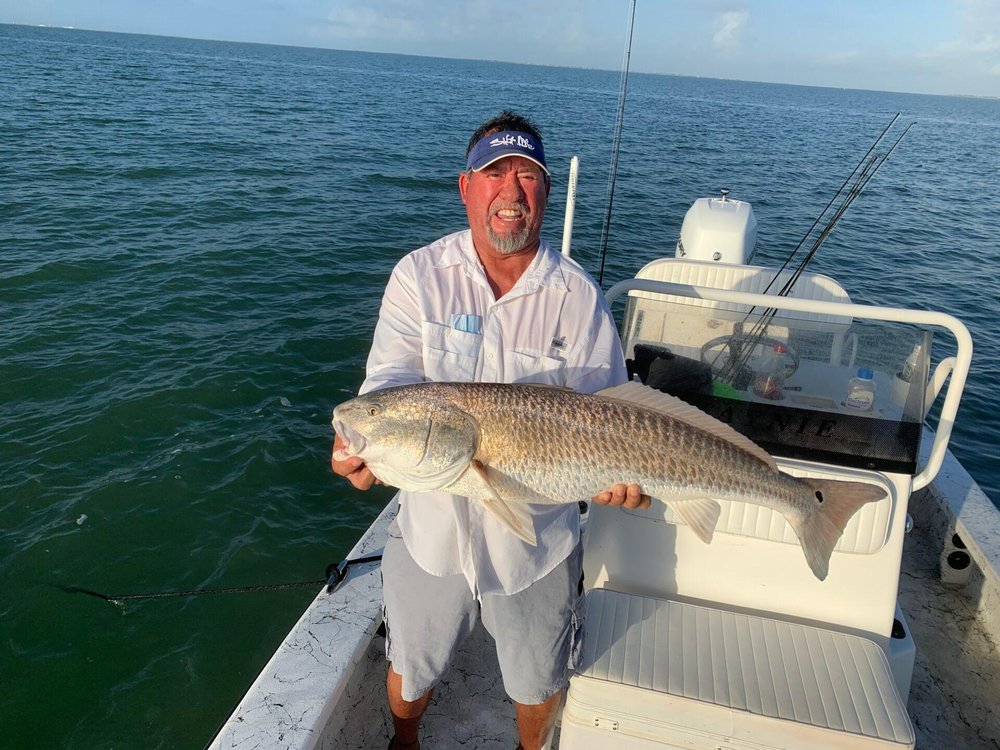
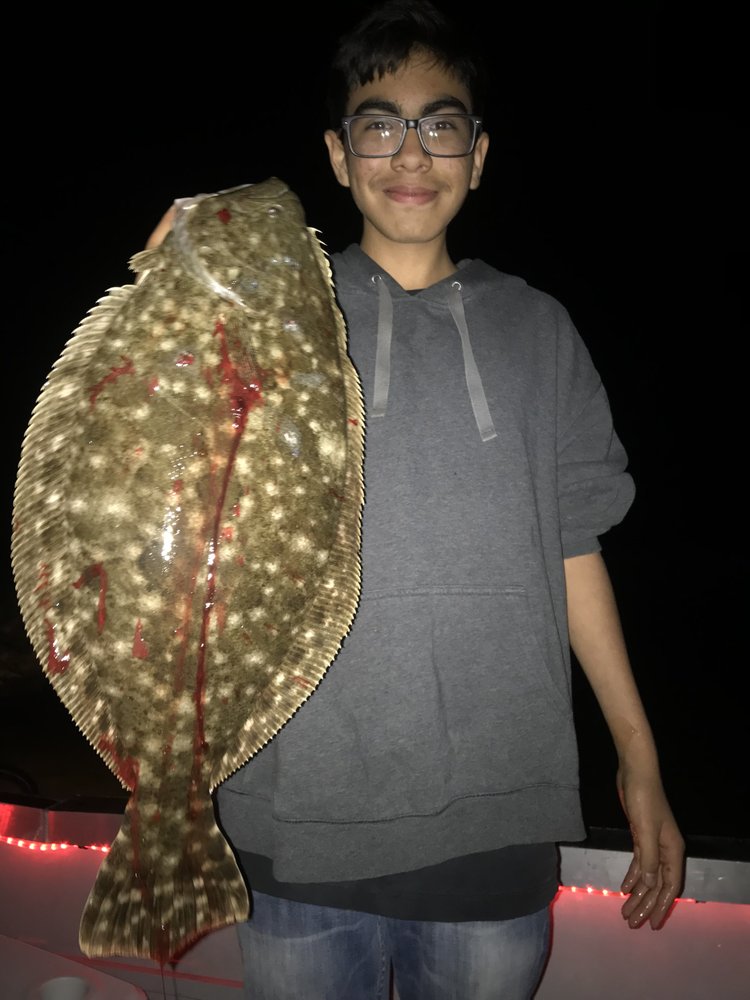
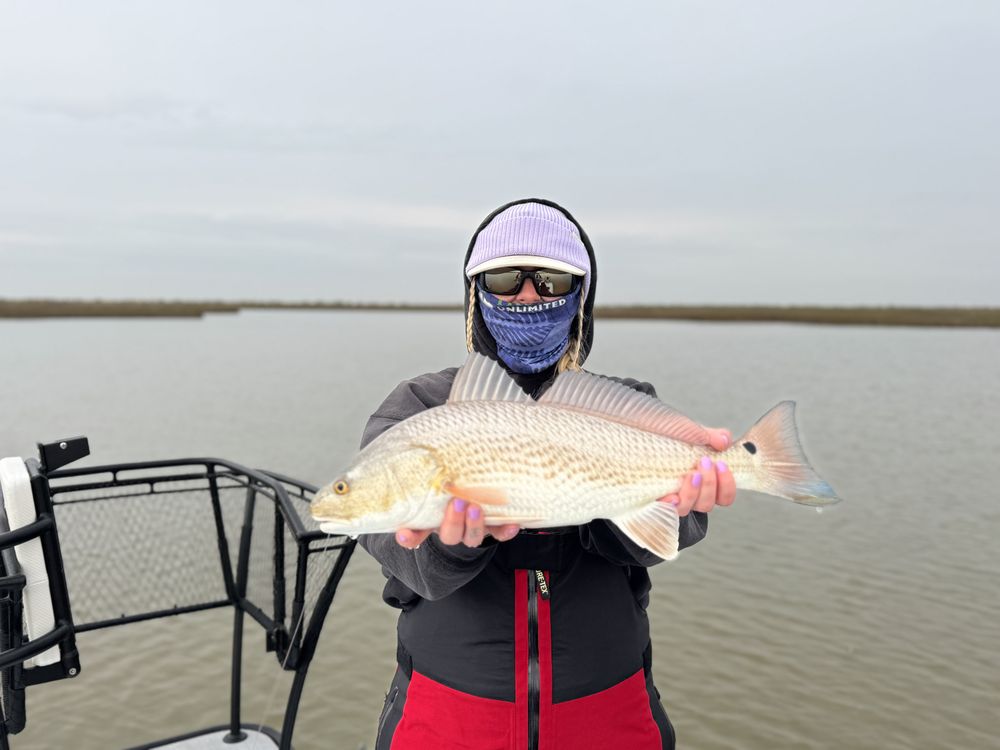
Fishing is where Rockport truly separates itself. Aransas, Copano, St. Charles, and Redfish Bays together form one of the finest shallow-water fisheries on the Gulf Coast. Anglers target redfish, speckled trout, black drum, and flounder year-round, whether wade fishing grass flats, running a shallow-draft boat, or paddling backwater channels by kayak. Public launches at Rockport Harbor, Cove Harbor, and Fulton Harbor offer quick access to the Intracoastal Waterway and barrier islands such as San José.
Birding draws visitors from around the world, thanks to Rockport's position on the Central Flyway. Aransas National Wildlife Refuge, a 115,000-acre refuge just across Copano Bay, is the primary wintering ground for the last wild flock of endangered Whooping Cranes from roughly November through April. Every September, thousands of migrating Ruby-throated Hummingbirds pass through the peninsula. Year-round, Connie Hagar Cottage Sanctuary, the Tule Creek Hike and Bike Trail, and Goose Island State Park offer close views of roseate spoonbills, egrets, and shorebirds.
Few towns of Rockport's size have a creative scene this established. Rockport Center for the Arts serves as the anchor, with gallery space, art education classrooms, and a sculpture garden, while The ROCC hosts performing arts and film. Downtown's Austin Street gallery district is lined with fine art galleries, working studios, jewelry artisans, and coastal boutiques, and it's easily walked in an afternoon.
The community calendar stays full throughout the year. Fulton Oysterfest kicks things off in March with seafood cook-offs, carnival rides, live music, and oyster-eating contests. May brings Babes on the Bay, one of the largest women-only fishing tournaments in the country. The Rockport Art Festival in July hosts juried artists from across the nation along the waterfront. September belongs to the HummerBird Celebration, with garden tours, banding demonstrations, and lectures timed to the hummingbird migration. October's Rockport-Fulton SeaFair brings gumbo cook-offs, crab races, and harbor festivities, and the Rockport Film Festival in November highlights independent and Texas filmmakers.
For buyers considering a short-term rental, these events matter. They extend Rockport's visitor season well beyond summer and help support occupancy in shoulder months.
Rockport's economy blends its maritime roots with tourism, construction, and public-sector employment, which gives it more year-round stability than many seasonal beach towns.
Tourism and hospitality form the largest pillar. Weekend visitors from San Antonio, Austin, and Houston fill restaurants and rentals, and a substantial population of Winter Texans, retirees who stay from roughly November through March, keeps the local economy active during colder months. Whooping Crane charters, fishing guides, kayak outfitters, and tournaments add steady revenue for hotels, rentals, and restaurants.
Commercial fishing still matters. Fulton Harbor and Rockport Harbor support fleets supplying Gulf shrimp, blue crab, and seasonal oysters, backed by boatyards, haul-out facilities, marine mechanics, and tackle suppliers that serve both commercial and recreational boaters.
Construction and real estate remain strong, driven by second-home demand, retirement relocation, and ongoing post-Harvey modernization. Aransas County ISD, municipal and county government, and local healthcare provide foundational employment for full-time residents.
Buying on the coast asks more of an agent than buying inland. Canal depth, bulkhead condition, windstorm certificates, elevation certificates, and flood zones all shape what a Rockport property is truly worth and what it will cost to own. The Zaplac Group brings more than three decades of combined experience across the Crossroads Area of Texas, with Dawn and Jimmy Zaplac leading a team that has listed and sold everything from family ranches to beach houses and investment properties. As the No. 1 real estate team with VAAR, with more than $320 million in sales volume since 2019 and over 1,000 completed transactions, we know how to guide buyers and sellers through the details that matter on the coast. Whether you're looking for a Key Allegro canal home, a golf-course retreat at Rockport Country Club, or a quiet acreage on the Lamar Peninsula, we'd love to help you find the right fit. Reach out to us at [email protected] or call 361-541-4100 to start your Rockport home search.
There's plenty to do around Rockport, including shopping, dining, nightlife, parks, and more. Data provided by Walk Score and Yelp.
Explore popular things to do in the area, including Stevie Lew's BBQ Kitchen, Rockport Coffee, and Laredo Taco Company.
| Name | Category | Distance | Reviews |
Ratings by
Yelp
|
|---|---|---|---|---|
| Dining · $ | 2.61 miles | 113 reviews | 4.6/5 stars | |
| Dining · $ | 2.63 miles | 18 reviews | 4.7/5 stars | |
| Dining | 2.88 miles | 3 reviews | 4.3/5 stars | |
| Dining · $$ | 3.01 miles | 74 reviews | 3.2/5 stars | |
| Dining | 3.26 miles | 20 reviews | 4.5/5 stars | |
| Dining | 4.22 miles | 1 review | 5/5 stars | |
| Dining | 4.55 miles | 0 reviews | 0/5 stars | |
| Active | 2.78 miles | 0 reviews | 0/5 stars | |
| Active | 2.79 miles | 0 reviews | 0/5 stars | |
| Active | 2.83 miles | 0 reviews | 0/5 stars | |
| Active | 3.68 miles | 0 reviews | 0/5 stars | |
| Active | 3.71 miles | 1 review | 5/5 stars | |
| Active | 4.05 miles | 0 reviews | 0/5 stars | |
| Active | 4.13 miles | 40 reviews | 4.2/5 stars | |
| Active | 4.27 miles | 0 reviews | 0/5 stars | |
| Active | 4.41 miles | 0 reviews | 0/5 stars | |
| Active | 4.61 miles | 0 reviews | 0/5 stars | |
| Nightlife | 3.81 miles | 2 reviews | 4.5/5 stars | |
| Beauty | 2.79 miles | 0 reviews | 0/5 stars | |
| Beauty | 4.61 miles | 0 reviews | 0/5 stars | |
| Beauty | 4.62 miles | 0 reviews | 0/5 stars | |
|
|
||||
|
|
||||
|
|
||||
|
|
||||
|
|
||||
|
|
Rockport has 9,733 households, with an average household size of 2.03. Data provided by the U.S. Census Bureau. Here’s what the people living in Rockport do for work — and how long it takes them to get there. Data provided by the U.S. Census Bureau. 20,043 people call Rockport home. The population density is 251 and the largest age group is Data provided by the U.S. Census Bureau.
Total Population
Population Density Population Density This is the number of people per square mile in a neighborhood.
Median Age
Men vs Women
Population by Age Group
0-9 Years
10-17 Years
18-24 Years
25-64 Years
65-74 Years
75+ Years
Education Level
Total Households
Average Household Size
Average individual Income
Households with Children
With Children:
Without Children:
Marital Status
Blue vs White Collar Workers
Blue Collar:
White Collar: